
Written by Gatis Strods, TestoHit founder
TL;DR: Zinc is a critical cofactor in testosterone biosynthesis, and its deficiency can lead to a drop in testosterone levels by more than 70%. Science shows that optimal zinc levels in the blood are directly related to male hormonal and sexual health.
Zinc and Testosterone: A Key Element of Men's Health
I am Gatis Strods, and if I had to choose one mineral that most affects a man's masculinity, it would be zinc. It's not just about immunity or skin health. Zinc and testosterone in men are an inseparable pair that together ensure your system works without disruption. When I founded TestoHit here in Riga, I knew that my product had to contain a substantial dose of zinc, because in Latvia and throughout Europe, men suffer from chronic zinc deficiency, even without knowing it. This is not just my assumption – it's a fact confirmed by decades of research and thousands of blood tests.
Prasad et al. 1996: The Dramatic Decline in Testosterone
Does zinc really affect testosterone? The best answer is found in a classic study by Prasad et al. (Nutrition, 1996). Researchers experimented with young, healthy men, restricting their zinc intake for 20 weeks. The results were shocking - their average testosterone levels dropped from 39.9 nmol/L to 10.6 nmol/L. That's a decrease of more than 70% due to zinc deficiency alone.
In the second part of the study, they gave zinc supplements to older men with moderate zinc deficiency. Within six months, their testosterone levels almost doubled - from 8.3 nmol/L to 16 nmol/L. This study clearly shows two things: first, without zinc, your testosterone dies, and second, correcting zinc deficiency is one of the fastest ways to naturally raise your levels without any medication.
Kilic et al. 2010: Zinc and Physical Exertion
Another important study by Kilic et al. (Neuro Endocrinology Letters, 2010) investigated the effect of zinc on athletes and sedentary men. It was found that four weeks of zinc supplementation prevented the decrease in testosterone levels after intense training. This is especially important for men who regularly visit the gym - without sufficient zinc, your body cannot recover, and training can even harm your hormonal balance.
When you sweat, you lose zinc. If you train hard and don't take zinc, you literally burn your testosterone to maintain other bodily functions. Zinc ensures that after training, testosterone does not drop, but remains at the level necessary for muscle growth and recovery. It's like an insurance policy for your masculinity in the gym.
Zinc as a Cofactor for Testosterone Biosynthesis
Why are zinc and testosterone so closely related in men? Zinc is necessary for the activity of the enzyme aromatase, which helps regulate the balance of testosterone and estrogen in the body. In addition, zinc is directly involved in the function of Leydig cells in the testes, where testosterone is produced. Without zinc, these cells become "sluggish" and no longer respond to signals from the brain (luteinizing hormone) that tell them to produce testosterone.
Zinc also acts as an antioxidant in the testes, protecting them from oxidative stress caused by environmental pollution, unhealthy diet, and stress. If you have a zinc deficiency, your "factories" are unprotected and inefficient. It's that simple - no zinc, no testosterone biosynthesis. Your body is like an engine, and zinc is its most important part, without which the entire mechanism stops.
Zinc Deficiency in Europe and Latvia
Most men think they get enough zinc from food, but in reality, plant-based products often contain phytates, which block zinc absorption. Intensive agriculture has also depleted the soil, so vegetables and grains contain less and less zinc. In Latvia, where our diet is dominated by grains and potatoes, zinc intake is often below the critical threshold.
Add to that stress, alcohol consumption (which literally "washes out" zinc from the body) and sweating during workouts, and you get a recipe for hormonal catastrophe. That's why I believe that for modern men, additional zinc is essential. I'm not a fan of senseless vitamin popping, but zinc is one of those things that has an immediate and measurable impact on men's health.
Form and Dose: Why We Chose Zinc Gluconate?
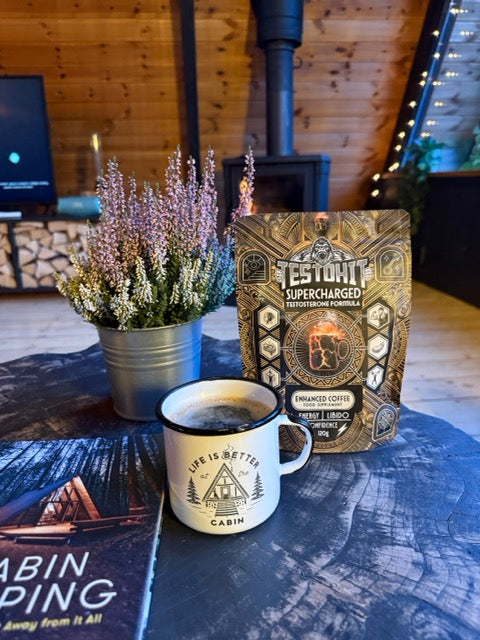
Zinc supplements are not all the same. There are cheap zinc oxides that are hardly absorbed and can cause digestive problems, and there are organic forms, such as zinc gluconate or zinc bisglycinate, which are much friendlier to your body. We included 17.5 mg of zinc gluconate in one serving of TestoHit SUPERCHARGED coffee, as it is an optimal dose that ensures sufficient absorption without side effects.
Why exactly 17.5 mg? Because together with food, it helps to achieve the ideal daily dose, without causing copper deficiency, which can occur if excessively large doses of zinc (above 50 mg per day) are used long-term. This is a balance that I have carefully calculated so that you get the maximum benefit for your testosterone, without compromising other processes in the body. Quality and precision are what I demand from my products.
Gatis Strods: Zinc is the cornerstone of my morning routine
When I started researching why men in Riga felt so exhausted, I realized that many of us were literally running on a "half-dead" battery. I personally checked my zinc levels and found that even with my healthy lifestyle, it was too low. When I started taking zinc regularly, my energy returned within a few weeks.
That's why zinc became one of the cornerstones of the entire TestoHit line. I want men to understand - you don't have to be a victim. Small changes in your diet and the right trace elements can completely change how you feel in your body. Zinc and testosterone in men are not just a theory, it's your reality that you can control.
Frequently asked questions
Why is it better to take zinc in the morning?
Taking zinc in the morning with a meal (or coffee) ensures that it is available to the body throughout the day, when testosterone synthesis is most active and you are exposed to stress or physical exertion.
Can zinc cause nausea?
Yes, if taken on an empty stomach or in excessively large doses. That's why we use the gluconate form and recommend taking it with a meal to ensure gentle absorption without discomfort.
Can you overdose on zinc?
It's difficult, but possible if you take more than 40-50 mg daily for a long time. This can interfere with copper absorption. The dose included in TestoHit is safe for long-term use and does not cause such problems.
Which foods contain the most zinc?
Oysters are zinc champions, but who among us eats them every day? Beef, pumpkin seeds, and nuts follow, but even in these products, the amount of zinc can vary.
Does zinc help with acne and hair loss?
Yes, zinc has anti-inflammatory properties that improve skin condition, and it is necessary for the health of hair follicles, as they depend on proper hormonal balance.
Does coffee block zinc absorption?
While some studies show that tannins can slightly reduce mineral absorption, in TestoHit coffee we have adjusted the form and dose of zinc so that you get the necessary amount despite the presence of coffee.
To get all of this in one cup of coffee, SUPERCHARGED contains creatine, shilajit, trigonella, zinc, magnesium and vitamins. Capsule option - MAXX.