
Written by Gatis Strods, founder of TestoHit
TL;DR: Low testosterone manifests as chronic fatigue, loss of muscle mass, fat accumulation, and decreased libido. If your level is below 12 nmol/L, you are likely already experiencing a significant decline in quality of life.
Symptoms of Low Testosterone: Are You Just Old or Running on Empty?
I am Gatis Strods, and I've seen hundreds of men come to me saying, "Gatis, I just don't have that spark anymore." They think it's normal because they're over 30 or 40. But let me tell you one thing – fatigue, inability to cope with stress, and a "beer belly" are not mandatory accessories for a man. Symptoms of low testosterone are often dismissed as work overload or age, but in reality, your engine is just idling. When I founded TestoHit here in Riga, my goal was to give men a tool to get back in the game, not just sit on the sidelines.
Physical Symptoms: When Your Body Starts to Give Up
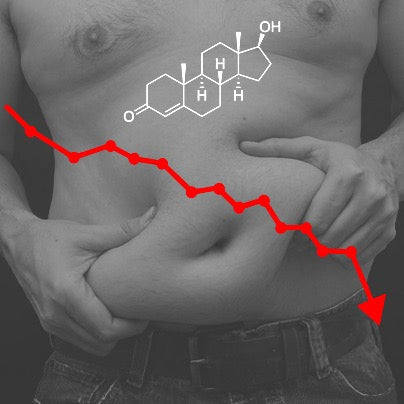
What are the physical symptoms of low testosterone? You'll notice that muscles don't grow as fast as before, even if you sweat in the gym, and fat – especially around the waist – starts to accumulate for no apparent reason. Testosterone is the primary anabolic hormone responsible for protein synthesis in muscles. Without it, you can lift weights until you drop, but your body simply won't be able to "rebuild" those muscles.
Another sign is chronic fatigue that doesn't go away even after a good night's sleep. You wake up in the morning feeling like you've been working all night in the docks. This isn't ordinary fatigue; it's a fundamental lack of energy at the cellular level. If you feel like you absolutely need a nap in the afternoon or a third cup of coffee just to avoid falling out of your chair, it's time to think about your hormonal balance.
Mental Symptoms: "Brain Fog" and Loss of Motivation
Symptoms of low testosterone don't stop at muscles – they also severely affect your mind. Men with low testosterone often report "brain fog," making it difficult to concentrate, make decisions, or remember simple things. This is not mysterious – testosterone receptors are located throughout your cerebral cortex, and they directly influence cognitive functions and mood.
Then there's what I call the "loss of spark." You no longer feel that natural male aggression – in a good way – that drives you to pursue goals, win arguments, or start new projects. Instead, apathy, irritability, and even depressive thoughts set in. Men are often misdiagnosed with clinical depression when, in reality, they just need to sort out their hormones. Testosterone is your inner optimism and strength. Without it, you are just a shadow of your potential.
Sexual Health: Libido and Performance
How does low testosterone affect your sex life? The most common symptom is a loss of libido or sexual desire, which can manifest as less frequent spontaneous erections or a general loss of interest in intimacy. This is a classic warning sign that men often try to ignore, thinking it's just "stress-related."
While erectile dysfunction can also be linked to vascular problems, low testosterone is often the underlying reason why the "engine doesn't start." If you've noticed that you no longer think about sex as often as you did five years ago, it's not a natural aging process – it's a sign that something is broken in your hormonal system. And no, burning incense won't save you. You need a biological solution.
Numbers and Norms: What is 8-29 nmol/L?
What is a normal testosterone level for a man in Europe? Laboratories usually indicate a range of 8 to 29 nmol/L, but here's the catch – if you're a 30-year-old man and your reading is 9 nmol/L, your doctor might tell you that everything is "within normal limits," even though you feel like an 80-year-old grandpa.
Science shows that for optimal male performance and health, levels should be at least in the middle or upper end of the range, meaning above 15-18 nmol/L. If you are at the lower end, you will experience all the symptoms of low testosterone, even if everything looks "green" on paper. I always say – don't trust just the number, trust your feelings. If you feel bad, then 9 nmol/L is not your "normal."
Cortisol and Testosterone Conflict

How does the stress hormone cortisol affect testosterone? They work like a seesaw – the more cortisol in your blood due to chronic stress, the less testosterone your body can produce. Cortisol literally blocks testosterone production pathways and forces your body to spend precious cholesterol (from which testosterone is made) to produce more stress hormone.
The modern world is literally built to keep us under constant stress. Traffic jams, news, noise – all of this keeps your cortisol levels sky-high. If you want to deal with the symptoms of low testosterone, you need to start with stress management. It's not about meditating at five in the morning (though it helps), it's about biological support for your nervous system so it doesn't perceive every email as an attack on your life.
When to See a Doctor and When to Change Your Lifestyle?
If you experience at least three of the symptoms mentioned above, the first step is to go to the lab and get a blood test in the morning (before 10:00 AM). If your level is critically low (below 8 nmol/L), you may need medical help and hormone replacement therapy. But for most men, the problem is a "suboptimal" level – 10-14 nmol/L – which can and should be addressed with lifestyle changes.
Sleep, nutrition, addressing zinc and vitamin D deficiencies, as well as strength training can raise your levels by 20-30% without any medication. I chose to go this route and created TestoHit because I wanted to give men the opportunity to control their own biology. There's no point in injecting if you haven't sorted out the basics. Start with the foundation and watch your symptoms begin to fade.
Frequently Asked Questions
Can low testosterone cause weight gain?
Yes, low levels directly contribute to fat accumulation around the waist because testosterone regulates fat metabolism and muscle maintenance, so without it, your body becomes a "fat magnet."
Why do symptoms worsen in the evening?
Testosterone levels are highest in the morning and naturally decrease during the day, so in the evening, when reserves are depleted, you may feel particularly tired and irritable.
Does low testosterone affect hair loss?
Paradoxically, both very high and low levels can affect hair, but low testosterone is more often associated with a general reduction in body hair, not just on the head.
Does alcohol lower testosterone?
Yes, alcohol is a direct toxin to testicular cells and increases the conversion of testosterone to estrogen, which literally "drowns" your masculinity in a glass of beer.
How often should I get tested?
If you experience symptoms, once a year is mandatory, but if you are making lifestyle changes, it is recommended to check levels every 3-4 months to see progress.
Does stress reduction really help?
Absolutely – normalizing cortisol levels frees up hormonal resources, allowing the body to resume natural testosterone synthesis without external interference.
To get all of this in one cup of coffee, SUPERCHARGED contains creatine, shilajit, trigonella, zinc, magnesium, and vitamins. Capsule option - MAXX.